NCCU Thrive
Access with Purpose. Opportunity with Impact.
Program Overview, Mission, and Vision
Program Overview
NCCU Thrive is an inclusive postsecondary education program housed in the School of Education that offers a person-centered, campus-embedded postsecondary experience for students with intellectual and developmental disabilities. Rooted in North Carolina Central University’s proud HBCU legacy, and where purpose takes flight, Thrive expands access to high-quality learning, workforce-aligned career preparation, and authentic campus life while affirming the dignity, potential, and cultural identity of every student.
Mission
NCCU Thrive’s mission is to provide an inclusive, person-centered postsecondary education experience for students with intellectual and developmental disabilities, grounded in access, advocacy, and belonging. Guided by the School of Education’s commitment to educational equity and student empowerment, Thrive expands access to high-quality academics, meaningful career preparation, and culturally affirming campus engagement. The program prepares students to think critically, build transferable skills, and contribute to their families, workplaces, and communities with purpose, confidence, and dignity, all hallmarks of NCCU’s HBCU tradition.
Vision
NCCU Thrive’s vision is to serve as a national model for inclusive postsecondary education at an HBCU, where access is transformed into opportunity and potential is cultivated into leadership. Through innovative teaching, workforce-aligned pathways, and transformational engagement, Thrive prepares students academically, professionally, and socially while advancing NCCU’s legacy of equity, social mobility, and community advancement.
Pillars of the NCCU Thrive Experience
Academics
Building knowledge, confidence, and skills for lifelong success.
- Coursework that builds critical thinking, communication, and problem-solving skills in alignment with NCCU academic standards.
- Academic coaching, time management, and campus navigation skills
- Self-advocacy and learning strategies that support independent living
Employment
Preparing students for meaningful careers and financial independence.
- Career exploration aligned with individual strengths and interests
- Internships and work-based learning experiences
- Job readiness, financial literacy, and workplace independence skills
Personal-Social Development
Supporting personal growth, relationships, and community connections.
- Self-awareness, emotional wellness, and decision-making skills
- Self-advocacy and communication for independent living
- Campus and community engagement, peer connections, and leadership opportunities
Meet the Team
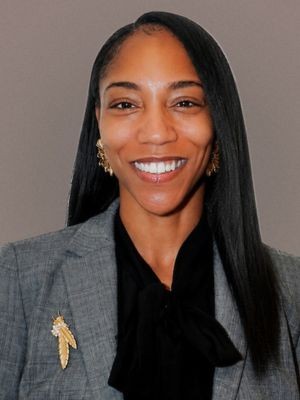
Breland, Chaquita
Employment and Job Skills Coordinator
School of Education

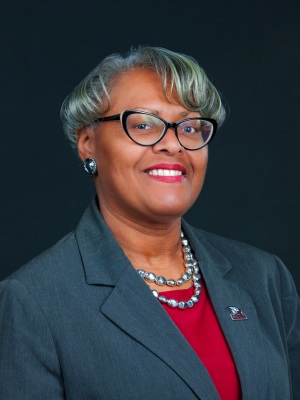
Jones, Michele L
Executive Assistant, IPSE
School of Education
 H. M. Michaux, Jr. School of Education Building, Room 2056
 919-530-6140
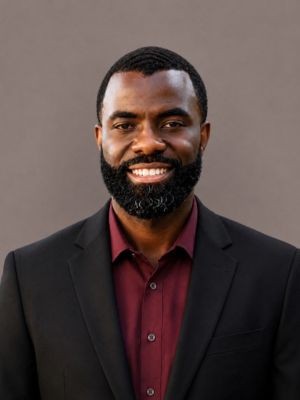
Moise, Frantzley
Campus & Community Coordinator
School of Education
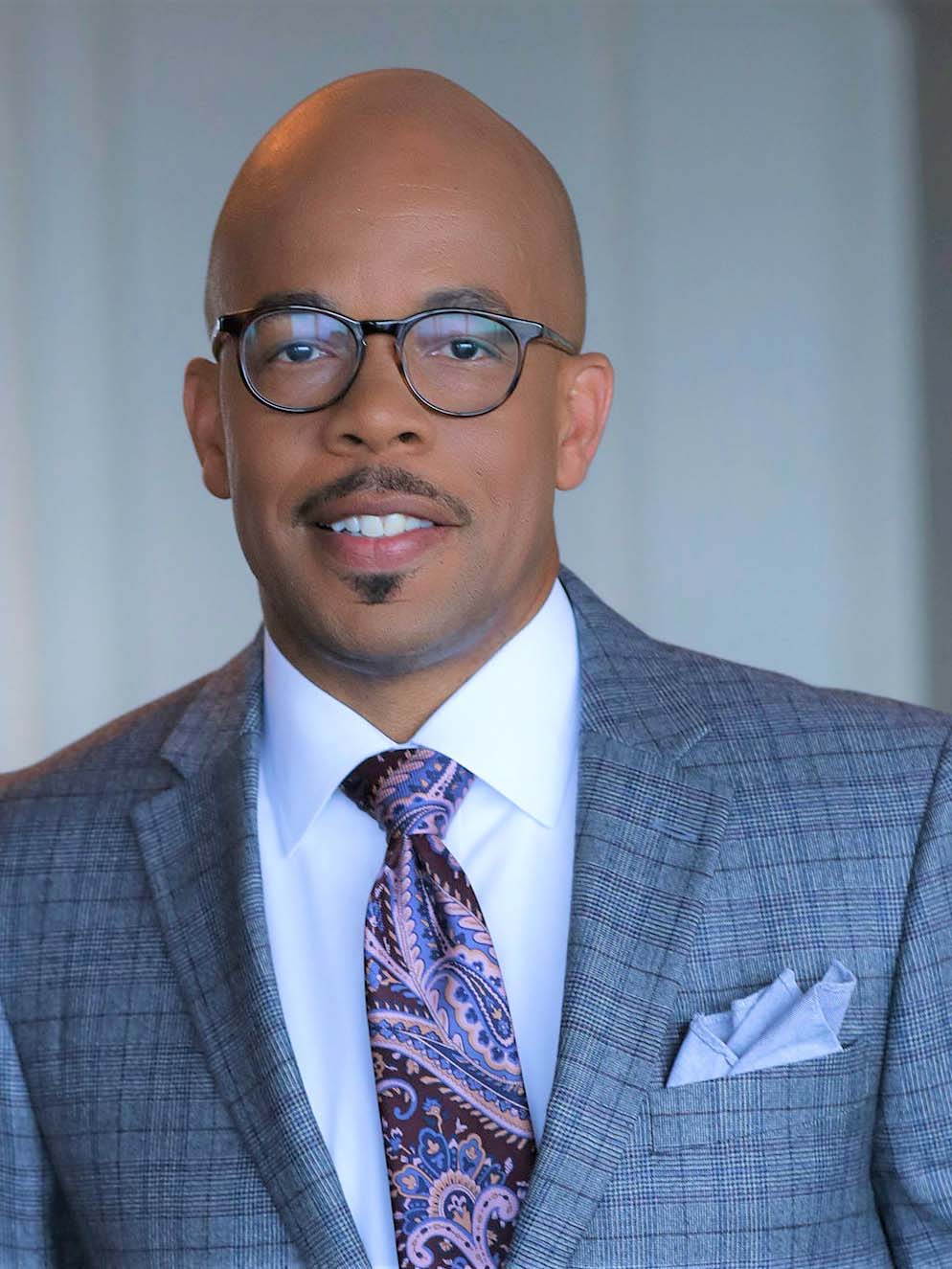
Pierce, Nigel
Program Director, Associate Professor
Curriculum and Instruction
H. M. Michaux, Jr. School of Education Building, Room 2135
919-530-7691
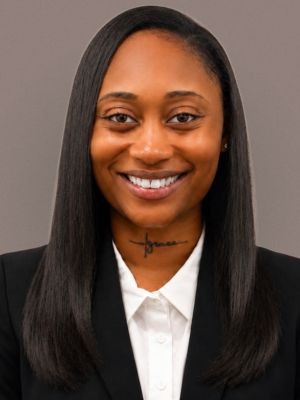
Pryor, Tomeka
Academic Success Coordinator
School of Education
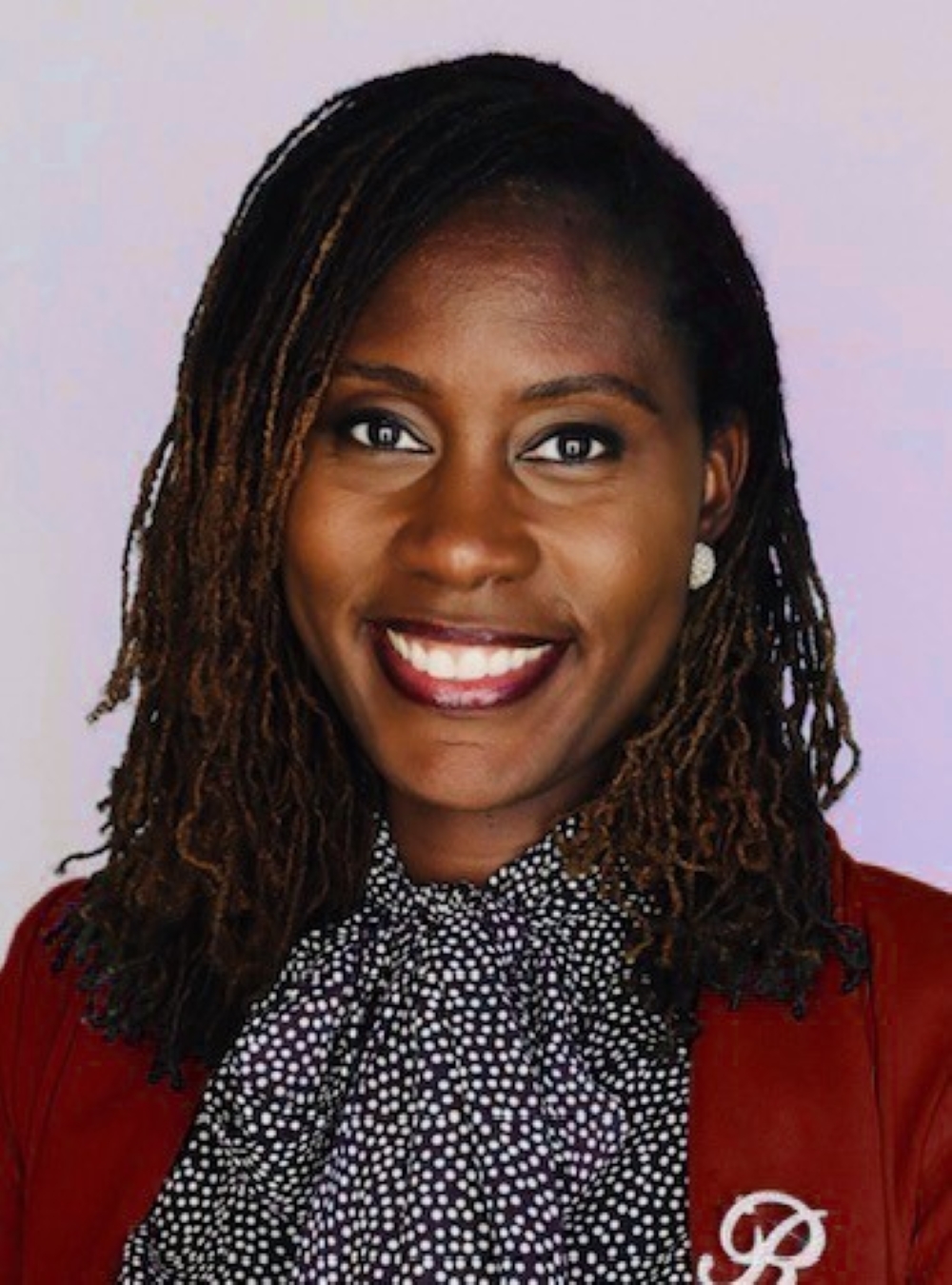
Riley, Tremaine
Clinical Assistant Professor
Curriculum and Instruction