2025 Medications for Opioid Use Disorder (MOUD) Conference: From Insight to Impact - Ending the Opioid Crisis Through Multisectoral Partnerships
The NCCU Opioid Abatement Coordinating Center (OACC), in partnership with the North Carolina Community Health Center Association, hosted the 3rd Annual Medication for Opioid Use Disorder (MOUD) Conference on September 4, 2025. This year’s theme, From Insight to Impact: Ending the Opioid Crisis Through Multisectoral Partnerships, emphasized collaboration as a pathway to meaningful change.
The conference brought together a diverse group of stakeholders, including community-based organizations, treatment providers, researchers, policymakers, and individuals with lived experience. Participants shared knowledge, explored new partnerships, and identified practical strategies to advance efforts to end the opioid crisis. 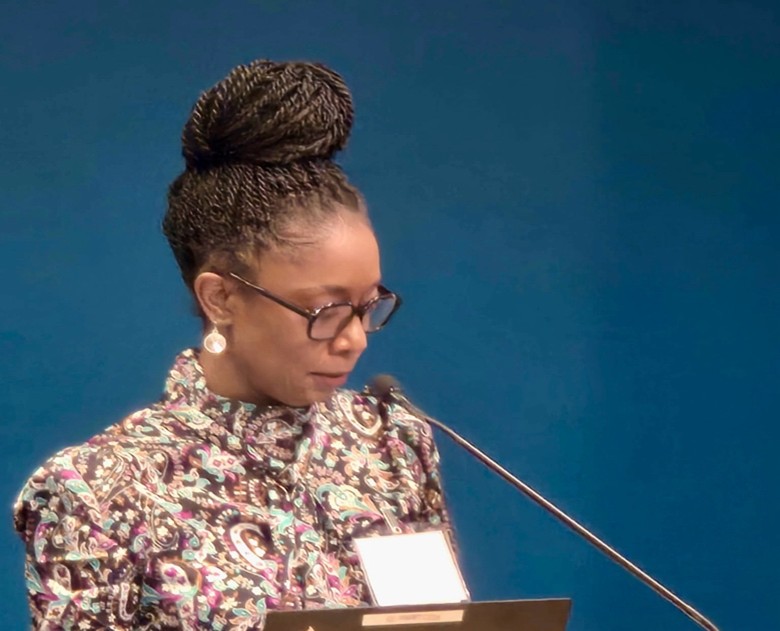
Highlights included inspiring remarks from Dr. Hendrée Jones (UNC Horizons) on family-centered recovery and naloxone use training led by the NC Harm Reduction Coalition. Additional sessions focused on medication-supported recovery, strategies for counties to maximize opioid settlement funds (NC Collaboratory), and the transformative role of peer support. The peer support discussion was led by Dr. Bernice Adjabeng, Director of the North Carolina Certified Peer Support Specialist Program.
As Dr. Jones noted, the conference was “exciting, engaging, and practical.” Her reflection captured the spirit of the event and demonstrated what is possible when research, compassion, and community come together. Together, we continue to move from insight to impact, creating a healthier and more hopeful future for all.
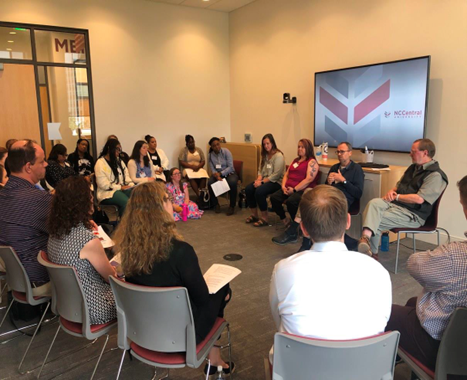
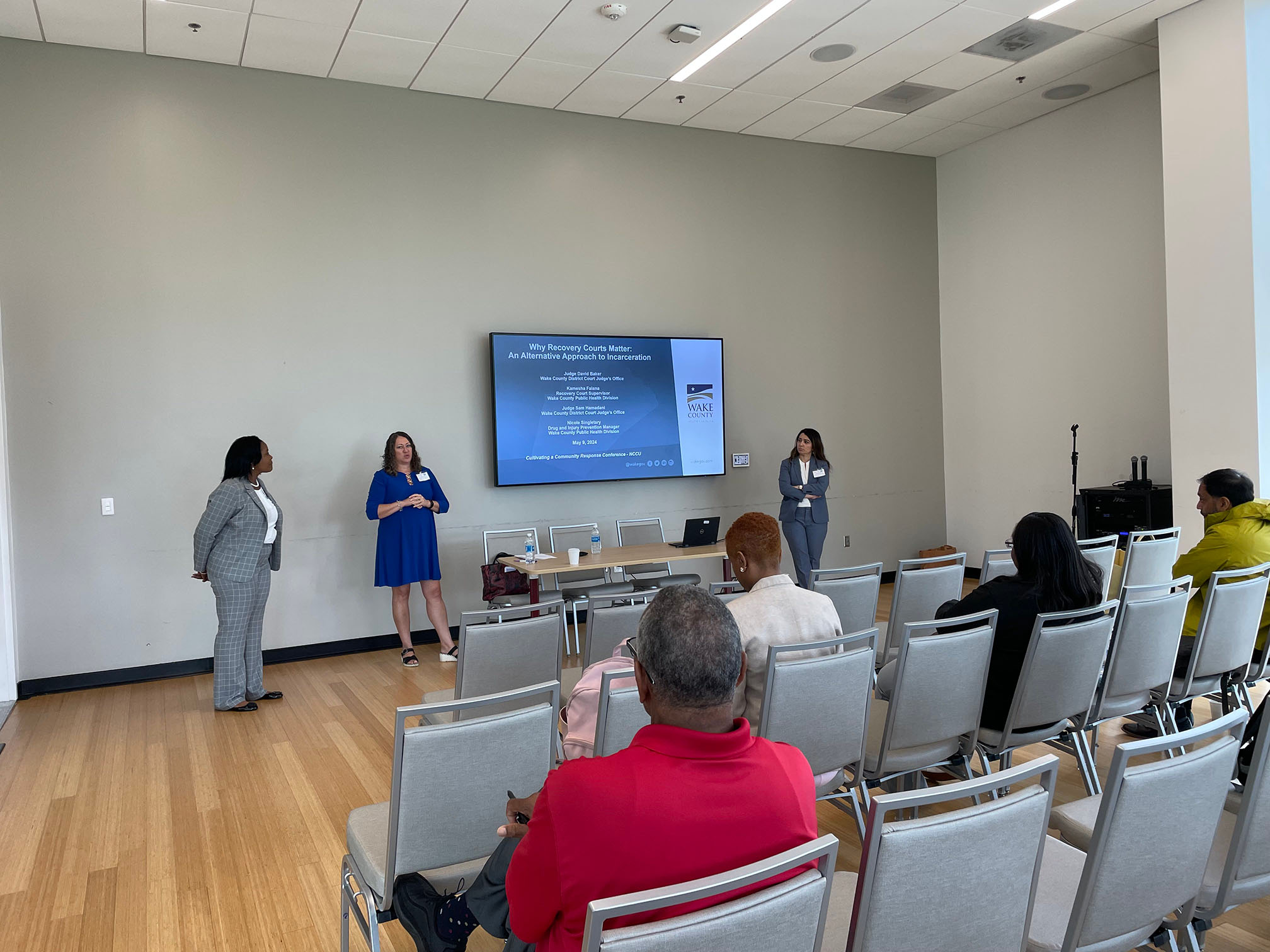 In May 2023, North Carolina Central University (NCCU) and the North Carolina Community Health Center Association (NCCHCA) hosted their inaugural Medication-Assisted Treatment Conference — an annual convening focused on advancing opioid use disorder solutions. The event brought together community health leaders, researchers, and local, regional, and state officials to explore strategies for expanding treatment access and reducing opioid-related harm across North Carolina.