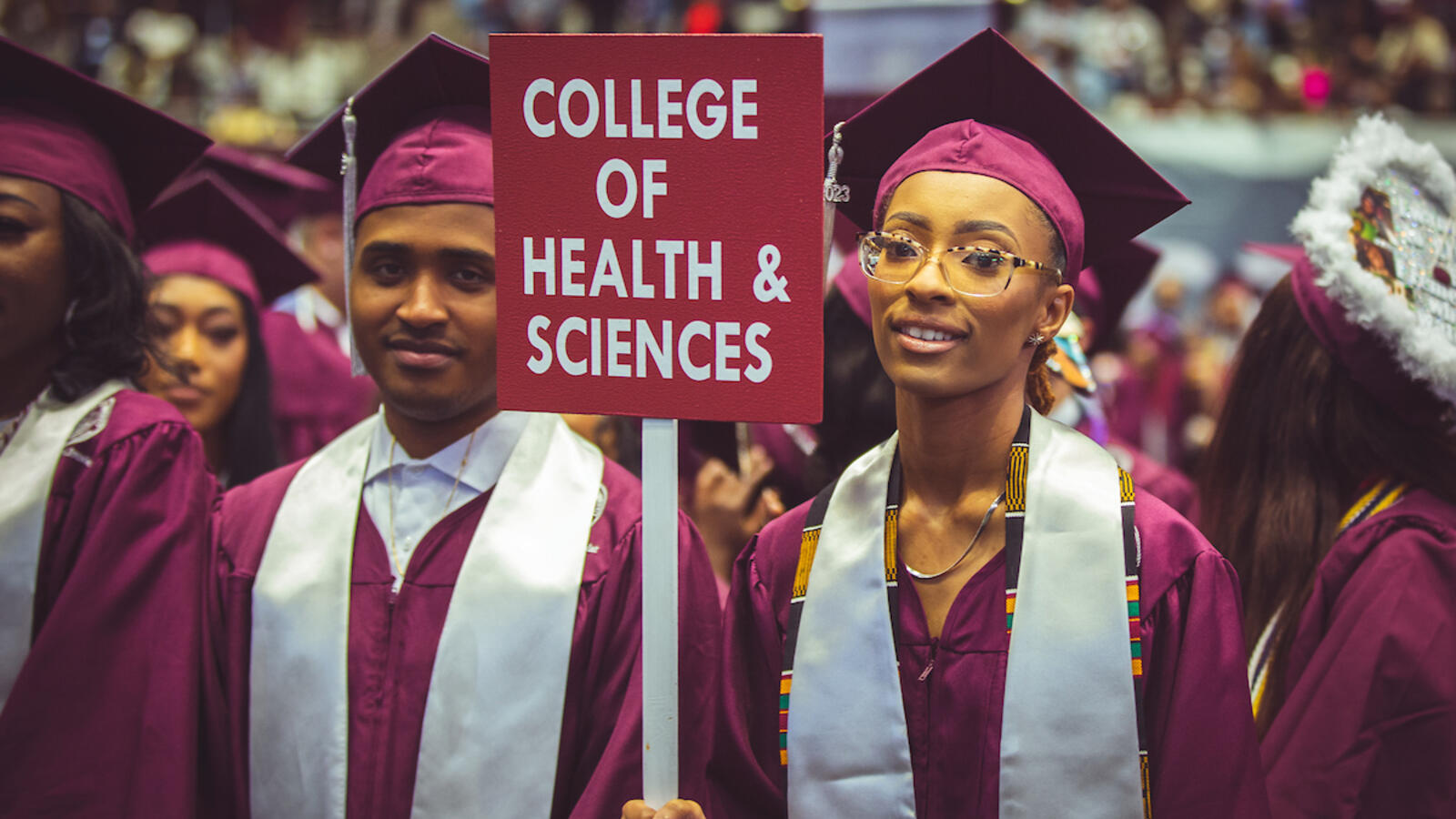
At its Nov. 19 meeting, the University of North Carolina (UNC) Board of Governors approved two new degree programs at North Carolina Central University (NCCU). A new Doctor of Philosophy (Ph.D.) in Communication Sciences and Disorders and a Bachelor of Science in Computer Science will help fill critical workforce gaps in North Carolina and advance the university’s mission to prepare global leaders and practitioners who transform communities through teaching, research and service. Both programs are housed in the College of Health and Sciences and scheduled to begin in fall 2027.
The Ph.D. in Communication Sciences and Disorders will be North Carolina’s first online Ph.D. in communication sciences and disorders and the second such program at a historically Black college or university. The online format will expand access for working professionals, adult learners and students unable to relocate for training. The program will help fill the projected speech-language pathologist employment growth of 17% from 2025 to 2035, approximately 12,500 annual openings in the U.S. The program will also support NCCU’s progress toward Carnegie Research 2 status through expanded scholarship and research activity.
The bachelor’s degree program in computer science will provide a rigorous, workforce-aligned foundation in computer science theory, software development, data systems and artificial intelligence. Distinctive features of the program will include experiential learning, a capstone course and three planned concentrations, including artificial intelligence, machine learning and data science. The Triangle’s public HBCU, NCCU is currently the only UNC System institution without a standalone bachelor’s degree in computer science. The new program will significantly expand access among first-generation and underrepresented students, playing an essential role in supporting the UNC System’s mission by broadening participation in high-growth technology fields.