Clinical Legal Education at NCCU: Our History
A Legacy of Growth
Explore the defining moments that shaped clinical legal education at the NCCU School of Law.
Info Accordions
NCCU Law’s commitment to clinical education grew from a practical need. Many graduates entered solo and small-firm practice without access to the mentoring and professional networks available to others in the legal profession.
In response, the Law School expanded practical-skills training through programs supported by federal and state grants. These early efforts established a lasting principle at NCCU Law: students should graduate not only knowing the law but also be prepared to use it responsibly in service to clients and communities.
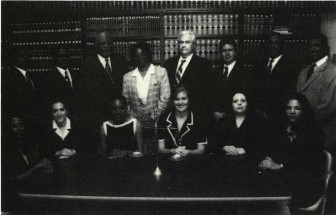
Professor Thomas M. Ringer established NCCU Law’s first in-house clinical program, the Civil Litigation Clinic.
Through supervised representation of real clients, students gained experience interviewing and counseling clients, investigating facts, drafting legal documents, negotiating disputes, and appearing before courts and administrative agencies.
The clinic established the model that continues to guide clinical education at NCCU Law: rigorous student learning connected directly to meaningful client service.
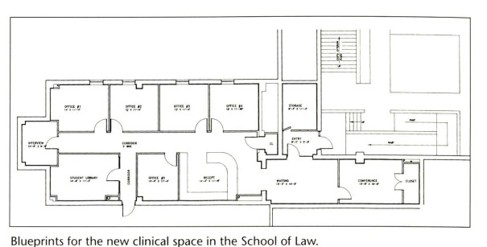
As the clinical program expanded, NCCU Law began developing a dedicated space designed to operate as a Model Law Office.
The new clinical area was planned for the unfinished basement of the School of Law and funded through an appropriation from the North Carolina General Assembly. Its design included attorney offices, a client interview room, student work areas, a conference room, reception space, computerized legal research, audiovisual equipment, and a word-processing network.
Professor Ringer described the vision as a “law office of the future.” The project reflected an early commitment to preparing students not only for courtroom advocacy, but also for the technology, systems, and collaborative demands of modern legal practice.
At the time, the clinical program included civil litigation, criminal litigation, and civil-rights litigation.
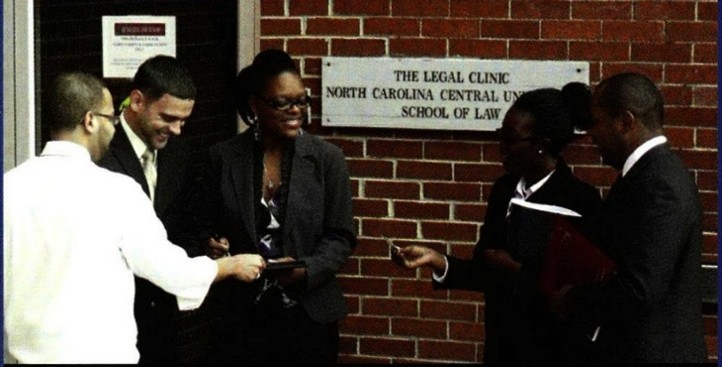
In 1996, NCCU Law opened the Model Law Clinic, creating a dedicated professional setting for clinical instruction and client representation.
The facility supported the Civil Litigation Clinic, Criminal Litigation Clinic, Family Law Clinic, and Pro Bono Program. It gave students a structured environment in which to work with clients, collaborate with faculty and classmates, and develop the habits of professional legal practice.
The opening marked an important institutional shift. Clinical education was no longer simply an additional opportunity within the curriculum. It had become a defining part of the NCCU Law experience.
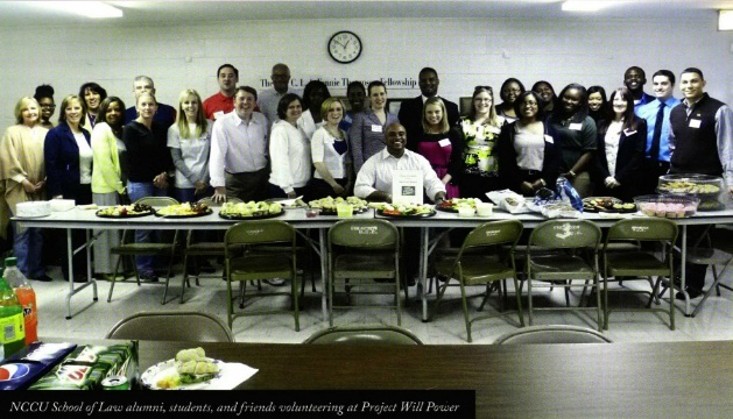
In 2001, NCCU Law broadened its clinical offerings to address new areas of student learning and community need.
The Small Business Clinic began in spring 2001, introducing students to transactional lawyering while supporting entrepreneurs and community-based organizations.
The Juvenile Law Clinic began in July 2001, creating opportunities for students to advocate for children and families within the legal system.
In October 2001, the Family Law Clinic launched its File It Yourself Custody Clinic, which expanded access to legal information and assistance for individuals navigating court processes without full representation.
Together, these programs demonstrated the growing range and adaptability of clinical legal education at NCCU Law.
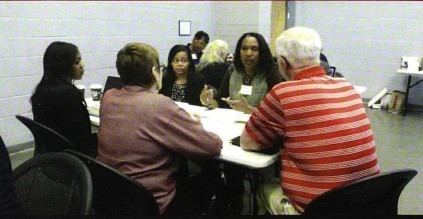
The Veterans Law Clinic opened in January 2007 to serve veterans and their families while preparing students for a specialized area of federal practice.
Students assisted with claims and appeals involving veterans’ benefits, including the review of military and medical records, development of evidence, and advocacy before administrative and federal tribunals.
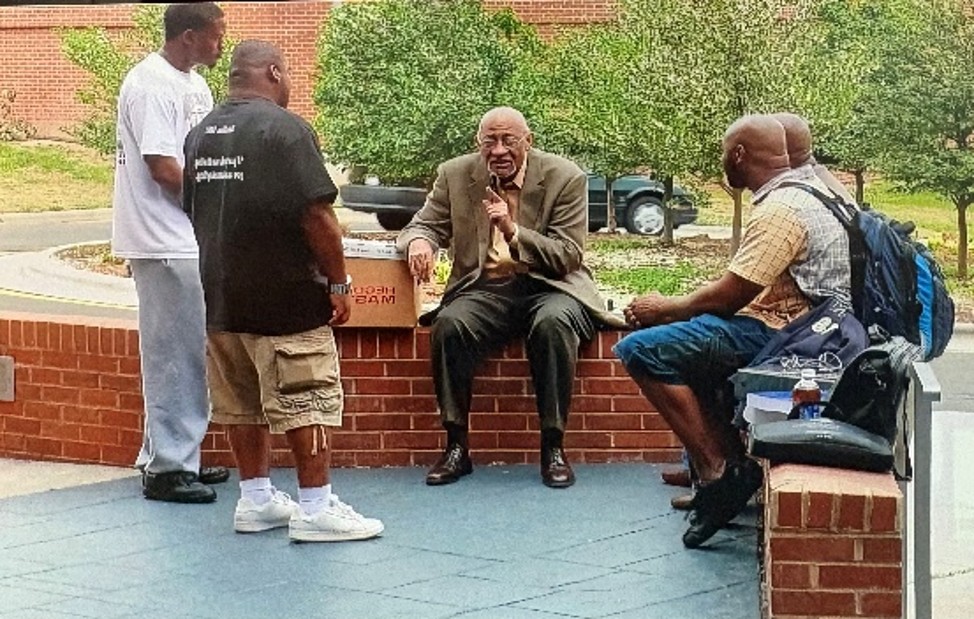
NCCU Law became one of only ten law schools selected to participate in the United States Patent and Trademark Office (USPTO) Trademark Law School Certification Program, expanding opportunities for students to assist clients with trademark matters under faculty supervision.
That same year, the Law School received a $1.8 million federal grant to develop Technology Assisted Legal Instruction and Services, known as TALIAS. Through telepresence and videoconferencing, TALIAS extended legal education, pro se assistance, and direct services to communities across North Carolina.
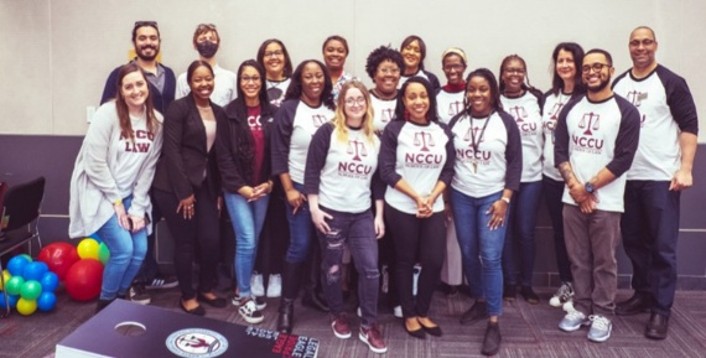
Today, the Clinical Legal Education Program continues to prepare students for the responsibilities of legal practice while expanding access to justice throughout North Carolina.
Through eight clinics, affiliated institutes, community initiatives, and professional partnerships, students develop legal knowledge, practical judgment, and a deep understanding of what it means to serve clients with competence, integrity, and care.
Leaders Who Shaped Our Legacy
Generations of visionaries have built, expanded, and strengthened clinical education at NCCU Law.
Info Accordions
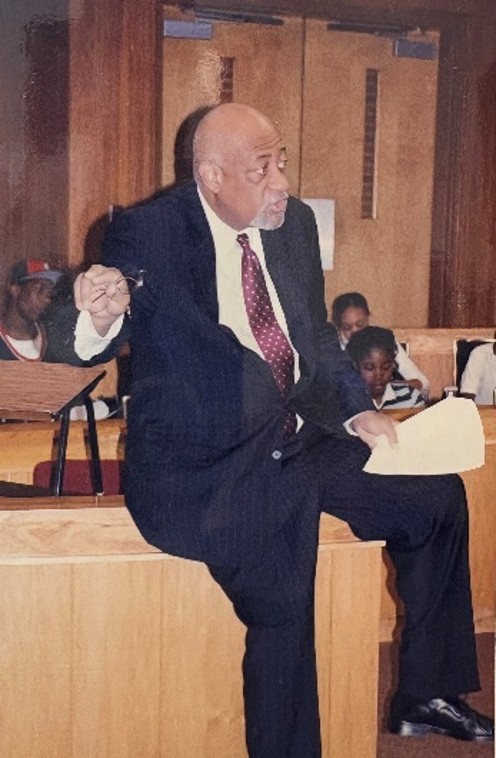
Professor Thomas M. Ringer played a foundational role in the development of clinical legal education at NCCU School of Law. He established the Law School’s first in-house clinical program, the Civil Litigation Clinic, creating opportunities for students to represent real clients under faculty supervision.
Under his leadership, the program expanded its practical training and public-service mission. He also advanced the development of the Model Law Office, a professional clinical space designed to prepare students for client representation, collaborative practice, and emerging legal technology.
Professor Ringer also served as Interim Dean of the School of Law. His leadership helped establish the framework for today’s Clinical Legal Education Program and its enduring commitment to practice-ready, service-centered legal education.
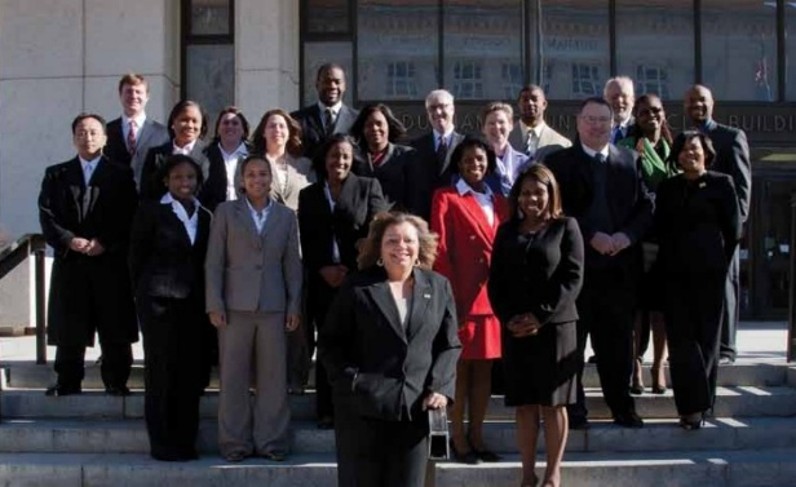
Assistant Dean of Clinical Programs and Professional Skills: 2008-2017
Professor Pamela Stanback Glean ’80 was a distinguished educator, administrator, and advocate whose leadership strengthened clinical and experiential education at NCCU School of Law. After serving as an assistant Durham County attorney, she joined the faculty as supervising attorney and director of the Family Law Clinic.
As assistant dean of clinical programs and professional skills, she championed student development, access to justice, and community service. In 2010, she co-founded the Virtual Justice Program, which used technology to expand legal information and services throughout North Carolina. She later served as associate dean of academic affairs from 2017 to 2019. Her legacy of innovation, leadership, and service continues to shape the program.
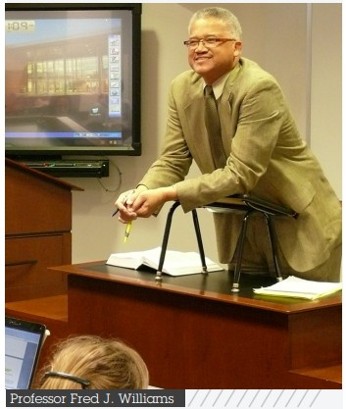
Director of Clinical Programs: 2017-2021
Professor Fred J. Williams devoted more than four decades to educating and mentoring students at NCCU School of Law. He joined the faculty in 1980, teaching Criminal Law and Criminal Procedure and later serving as director of the Criminal Litigation Clinic and Director of Clinical Programs.
Before entering academia, Professor Williams worked as a public defender. In 1985, Governor James B. Hunt appointed him as a Special Superior Court Judge, giving him extensive courtroom experience that enriched his teaching and clinical leadership.
Throughout his career, Professor Williams became a respected source of institutional knowledge and inspired generations of lawyers through his commitment to advocacy, professionalism, and student success. He retired in 2021 after more than 41 years of service.
Associate Dean of Clinical Legal Education and Experiential Learning: 2022-2026
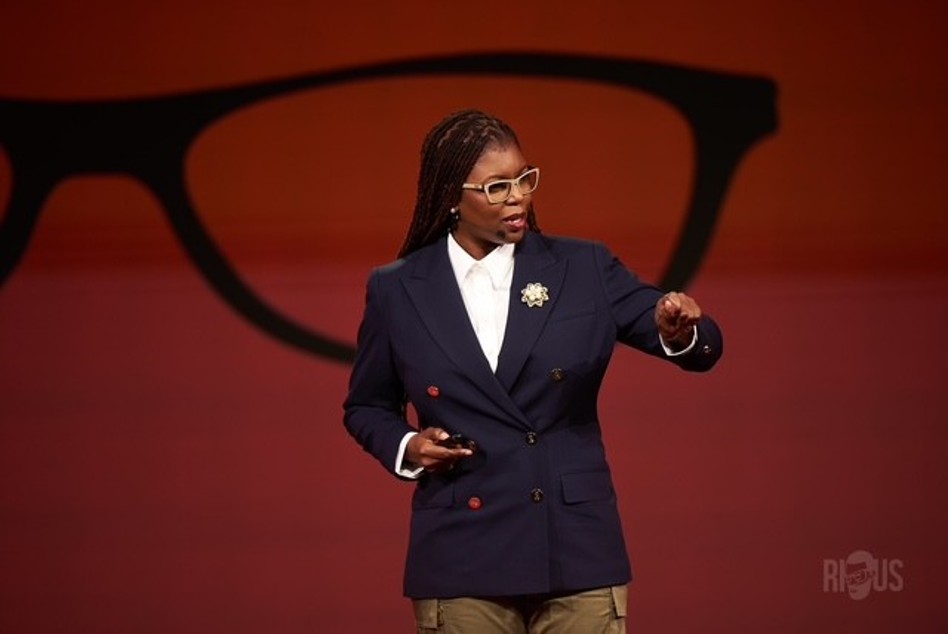
Nakia C. Davis ’01 played a significant role in the growth and modernization of clinical and experiential education at NCCU School of Law. After practicing family law in Durham, she joined the faculty as an adjunct professor in the Family Law Clinic in 2006 and later advanced through the clinical faculty ranks, becoming senior clinical professor in 2020.
In August 2022, the late Dean Browne C. Lewis appointed her as Associate Dean of Clinical Legal Education and Experiential Learning, where she provided strategic leadership for the Law School’s clinics, institutes, skills-based programs, and community partnerships. In August 2026, Davis was appointed Associate Dean of Academic Affairs.