The Criminal Defense Clinic empowers law students to provide client-centered representation, courtroom advocacy, and legal support to individuals facing criminal charges or seeking criminal record relief.
Criminal Defense Clinic
Message from the Clinic Director
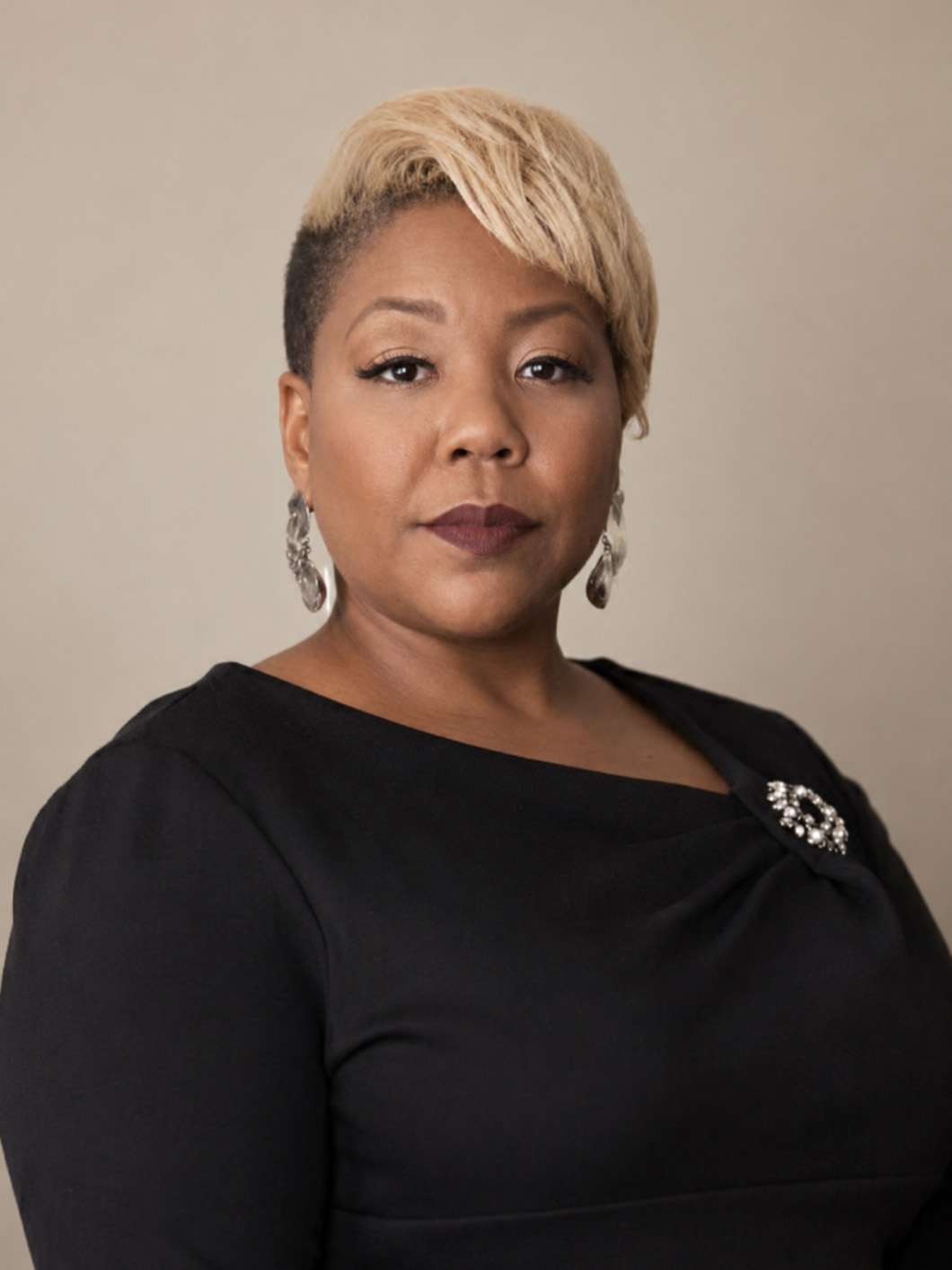
The Criminal Defense Clinic aims to provide high-quality legal service to community members who cannot afford to hire an attorney to represent them in misdemeanor criminal court proceedings or to provide legal advice about expungements and other criminal record relief. Upper-level law students receive in-depth training and a supportive environment so they can work under the supervision of faculty members to provide the representation, advice, and respect that all of their clients deserve.
Phylicia Powers
Visiting Clinical Director and Supervising Attorney
Student Information
The Criminal Defense Clinic gives students the opportunity to move from classroom preparation into supervised criminal defense practice. After intensive training in North Carolina criminal procedure and defense practice, students may handle all aspects of misdemeanor representation.
Info Accordions
- A combination of classroom learning and fieldwork designed to prepare students for supervised criminal defense practice.
- Instruction in North Carolina criminal procedure, misdemeanor practice, and the role of defense counsel in District Court.
- Practice-based learning through simulations, written assignments, field observations, and a mock trial experience.
- Fieldwork under the North Carolina State Bar’s Rules Governing Student Practice.
- Opportunities to represent clients through the Law School’s Legal Clinic Office or serve as an extern in a North Carolina Public Defender’s Office.
- Hands-on experience with District Court matters, client communication, case preparation, community engagement, and courtroom advocacy.
- Training to develop the professional habits of criminal defense practitioners, including collaboration, reflection, timekeeping, office hours, and regular supervision.
Through participation in the Criminal Defense Clinic, students will:
- Process information quickly and accurately in the context of criminal defense practice.
- Develop strong legal and factual arguments based on case facts, applicable law, and client needs.
- Think strategically about their case work, including preparation, advocacy, and client representation.
- Manage case files and office operations with organization, professionalism, and attention to detail.
- Manage professional relationships with clients and court personnel.
- Present themselves confidently and competently in court under faculty supervision.
- Recognize the importance of dedicated, knowledgeable, and professional counsel in furthering the cause of justice for those accused of a crime.
- Open to upper-level law students who can arrange their schedules to allow at least two weekdays for assigned court proceedings or observations.
- Successful completion of Criminal Law and Evidence as enrollment prerequisites.
- Completion of both Criminal Procedure and Trial Practice is strongly recommended before enrollment. However, as long as at least one of these courses has been successfully completed as a prerequisite, students may take either Criminal Procedure or Trial Practice concurrently with the Clinic’s classroom component as a corequisite course.
- During the second-semester field component, completion of 128 hours of field work, documented through approved time sheets.
Potential Client Information and Clinic Services
The Criminal Defense Clinic serves eligible individuals in pending misdemeanor cases and post-conviction record relief matters through supervised, student-led legal advocacy.
Info Accordions
Services provided by the Criminal Defense Clinic may include:
- Representation in misdemeanor criminal court proceedings.
- Legal advice about expungements and other criminal record relief.
- Client counseling and case assessment.
- Legal research and investigation.
- Review of case materials.
- Preparation for court appearances, negotiations, hearings, and other criminal court proceedings.
- Advocacy by upper-level law students under faculty supervision.
Legal representation is not automatic and depends on case location, Clinic capacity, case type, timing, and student availability.
Most Criminal Defense Clinic cases are court-appointed matters from Durham and/or Vance counties in partnership with the Durham County Public Defender’s Office and North Carolina Office of Indigent Defense Services.
If you are charged with a misdemeanor and are seeking representation:
- Attend your first court date for your First Appearance.
- Request a public defender or court-appointed attorney at that hearing.
- If a judge approves your request, counsel will be assigned by either the presiding judge in Vance County or the Durham County Public Defender’s Office.
- Assigned counsel may include representation by the NCCU Criminal Defense Clinic.
On a limited basis, the Clinic may accept Durham County misdemeanor cases when a judge has determined that the individual does not qualify for a court-appointed attorney because the person does not face jail time. Individuals seeking Clinic representation in that situation must complete a financial eligibility form for misdemeanors and submit it for consideration. To obtain the form, contact the Clinic at 919-530-7166 or [email protected].
Public defender offices may have access to students who serve as State Bar-certified legal interns. Students enrolled in the Criminal Defense Clinic receive intensive training during the fall semester. In the spring semester, these students may complete their course requirements by working in public defender offices throughout North Carolina.
If your public defender office is interested in hosting student interns during the spring semester, please contact the Clinic’s supervising attorney. Our Criminal Defense Clinic students receive intensive practical training during the fall semester, preparing them to be skilled and knowledgeable interns in the spring semester for public defender offices throughout the state. The collaborative spring internship will satisfy their remaining course requirements.
Contact Information
Info Accordions
For questions about clinic services or eligibility requirements, please contact the NCCU Criminal Defense Clinic:
Email: [email protected]
Phone: 919-530-7166
We are committed to providing professional, community-centered service and responding to inquiries in a timely manner.