The Julius L. Chambers Biomedical and Biotechnology Research Institute

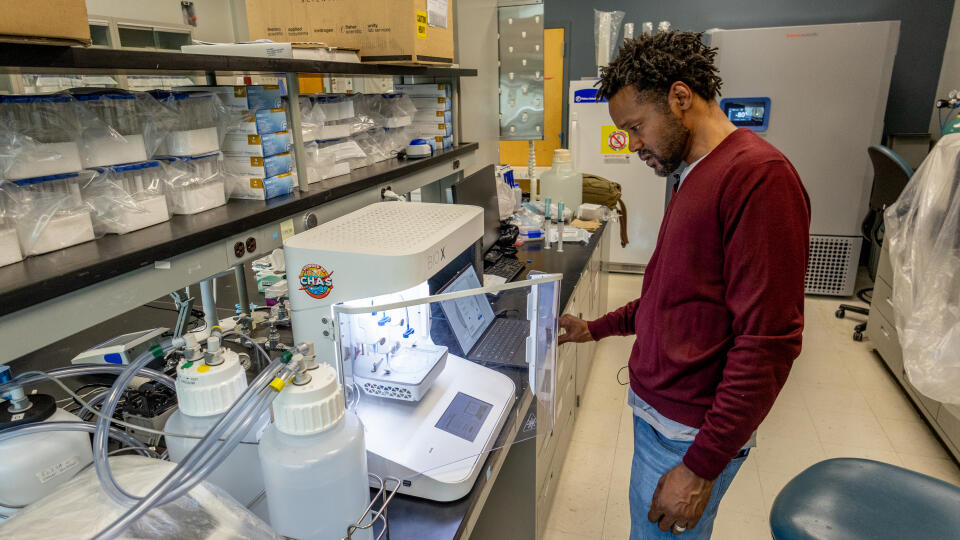
The Julius L. Chambers Biomedical and Biotechnology Research Institute (JLC-BBRI) conducts multidisciplinary and interinstitutional research focused on health issues that disproportionately affect minority and underserved populations. With a focus on students, the institute provides research experiences that enhance their access to careers in the biomedical sciences.

Welcome to BBRI

JLC-BBRI was named for Julius L. Chambers, who received an undergraduate degree in history from NCCU in 1959 and a law degree from UNC-Chapel Hill in 1962, graduating as editor-in-chief of the school's law review and first in his class.
$16M

in Grant Funding

3

Partnerships

40,000

Square Feet of Research Space

Research Programs

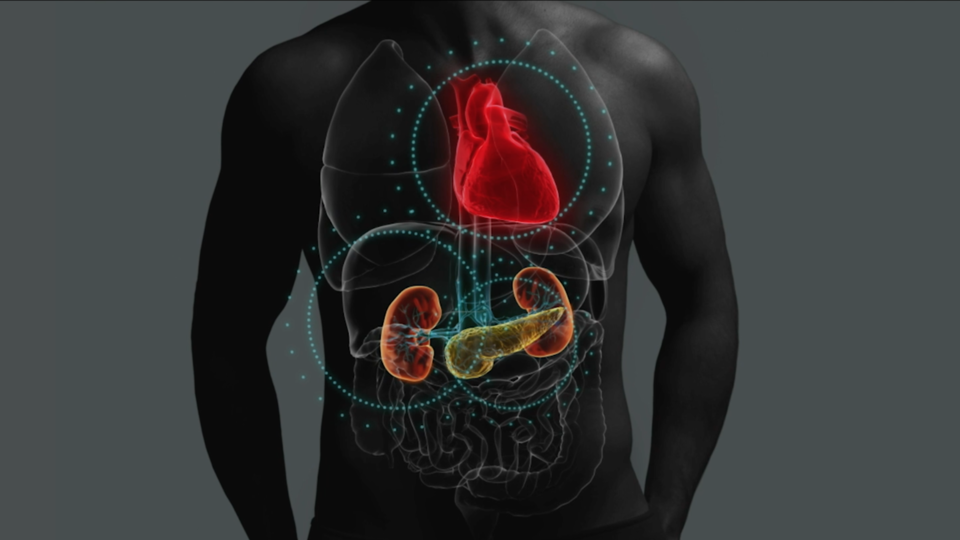
Cardiovascular

Nutrition/Cardiometabolic

The Cardiometabolic and Nutrition Research programs employ collaborative, multi-disciplinary approaches to investigate the biological and lifestyle factors contributing to chronic diseases. This group includes the Nutrition Research program, located at the North Carolina Research Campus in Kannapolis, North Carolina.

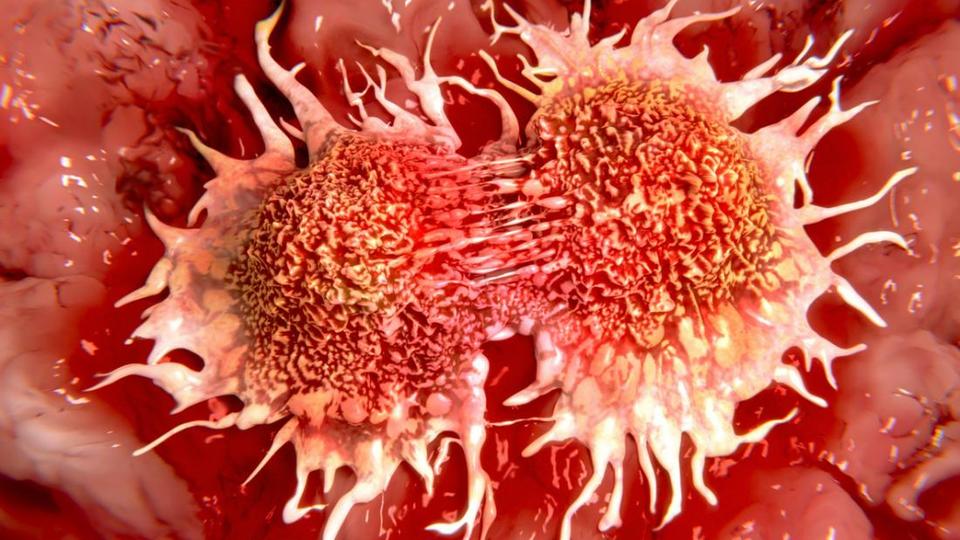
Cancer Cells

Cancer

The JLC-BBRI Toxicology and Carcinogenesis Program explores the causes of cancer and its prevention using molecular and genetic strategies that define the critical steps in carcinogenesis and explore the interplay between genes and the environment.

Neuroscience Imaging

Neuroscience

Research interests in neuroscience at JLC-BBRI include behavioral neuroscience, developmental neurobiology, and diseases of the nervous system that disparately afflict minority populations.

Biomaterial

Biomaterials

The Biomaterials Group focuses on synthesis, formulation, and optimization of biocompatible polymers and nanomaterials enabling therapeutic, diagnostic and imaging agents for a number of applications.

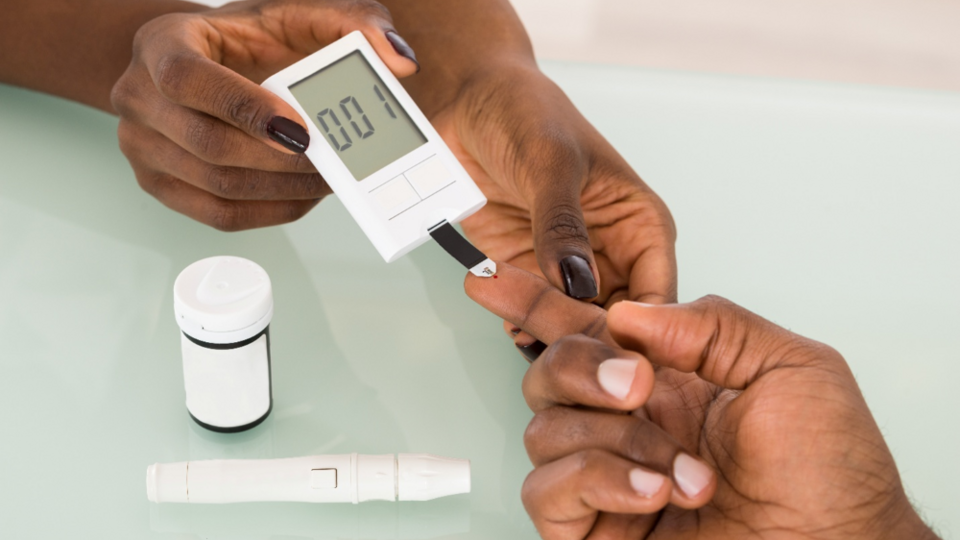
Blood Monitoring Machine

Epidemiology/Community Engagement

The community engagement and epidemiology core seeks to institutionalize community-based research efforts as well as describe the patterns of illness in populations with an emphasis on communities in North Carolina. This core provides training and resources for faculty and staff at NCCU as well as community-based organizations across the state.

Implementation Science

You have probably heard a lot about implementation science, as it has been more popular in the past decade. In particular, people are recognizing the potential impact and opportunity in terms of thinking about addressing health disparities.

Health Equity, Environment and Population Health Program

The North Carolina Central University Health Equity, Environment and Population Health Program (HOPE) aims to build healthy communities by developing and implementing interventions to address health disparities, promoting healthy living; preventing and managing chronic disease; and exploring interactions between environment, health and technology.

Our JLC-BBRI Team

Since 2016, JLC-BBRI has been led by Dr. Deepak Kumar. Click the link below to contact our team.

Employment

Interested in working with us? JLC-BBRI hires both faculty with appointments in an academic department and research scientists hired to work exclusively in the institute.

Contact Us

Have questions? Reach out to our team, and we'll be glad to provide you with more information about what we do.

Donate

JLC-BBRI uses private donations to move forward with its research initiatives. Help support us via a contribution today!

JLC-BBRI News