In parts of rural North Carolina, an expectant mother may drive more than an hour to reach a hospital that delivers babies. For families living in small towns in the eastern region of the state, access to maternity care often means navigating long distances, limited services and a shrinking number of hospitals.
But pregnancy does not pause for geography.
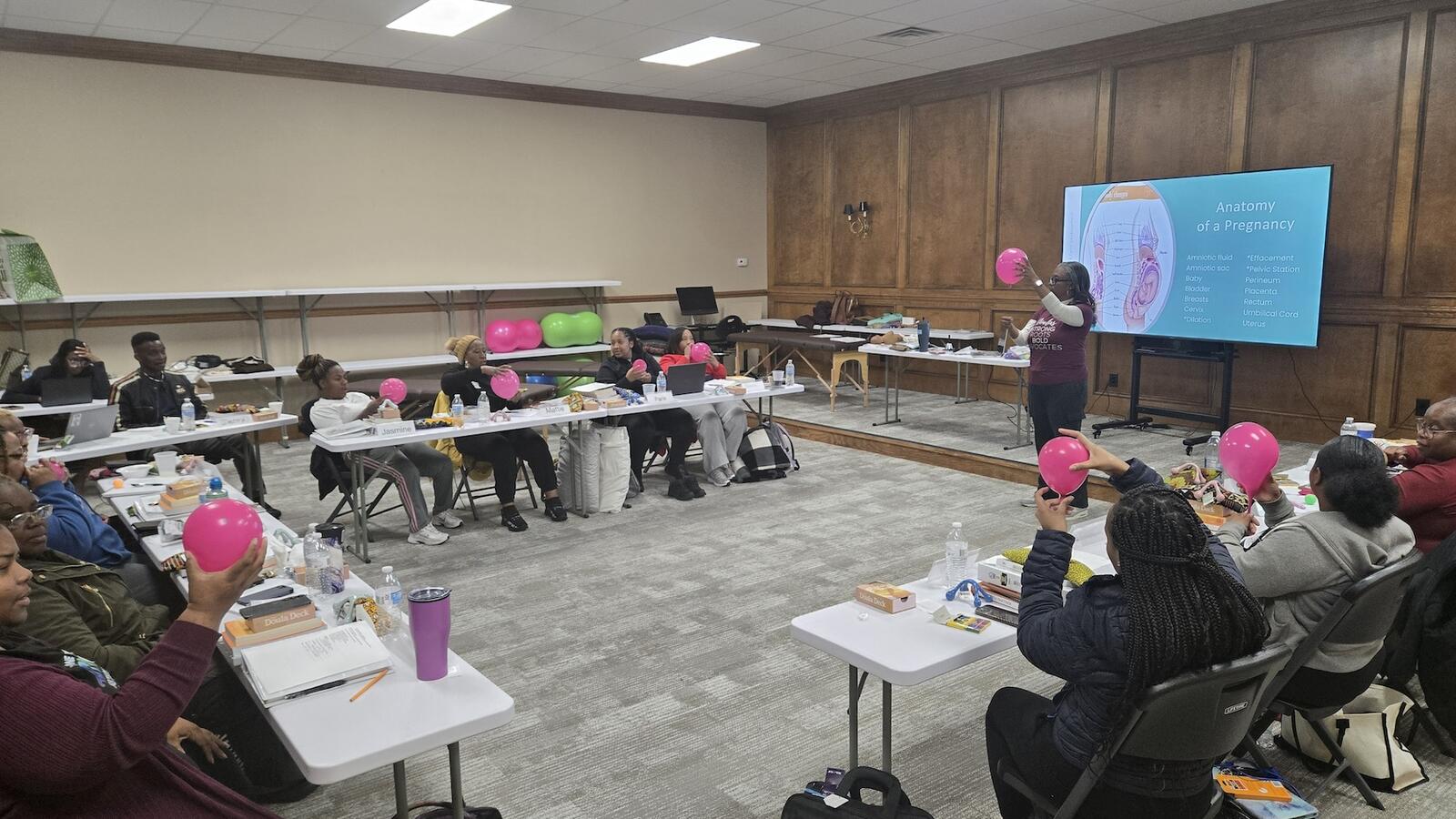
That reality is driving a new initiative from North Carolina Central University’s (NCCU) Rural Health Hub, where leaders are training a new generation of community-based birth doulas to support mothers before, during and after childbirth.
For Undi Hoffler, Ph.D., CD (DONA), director of the Community-Based Doula Program, the mission of the program begins with a simple truth.
“Birth is sacred,” she said. “It’s beautiful. It’s a miracle. Families deserve to experience that moment with dignity, support and confidence.”
When Access Is Miles Away
Across the United States, maternal mortality rates remain among the highest in developed nations. Although rates have declined since the pandemic, significant disparities persist. Black women experience mortality rates three to four times higher than white and Hispanic women, according to the Centers for Disease Control and Prevention.
The numbers are also concerning in rural communities. Approximately 21% of rural counties are classified as maternity care deserts, according to the National Center for Health Statistics. In addition, 13.4% of women in rural areas have no birthing hospital within 30 minutes, compared with 9.7% nationwide.
“It’s an access issue in eastern North Carolina,” Hoffler explains. “People are traveling hours just to receive care.”
Hospitals in Halifax and Nash counties frequently serve patients from surrounding counties like Northampton, Edgecombe, Bertie, Warren, Franklin and Martin, communities where maternity services may be limited.
But even when medical care is available, families often lack consistent support throughout pregnancy and postpartum recovery, which typically lasts from 6 to 8 weeks.
That gap is where doulas make a difference.
Building Care From the Community Up
Launched in December 2025, the Community-Based Birth Doula Training Program is part of the university’s broader Rural Health Hub initiative, a nonprofit organization focused on improving health outcomes in underserved communities.
Based in Enfield, North Carolina, the hub serves as a center for community engagement and workforce development. Rather than recruiting professionals from outside the region, the hub focuses on training individuals who already live in the communities they will serve.
“It’s important that our doulas come from these communities,” Hoffler says. “They’re building relationships with families they know. That’s how you build trust.”
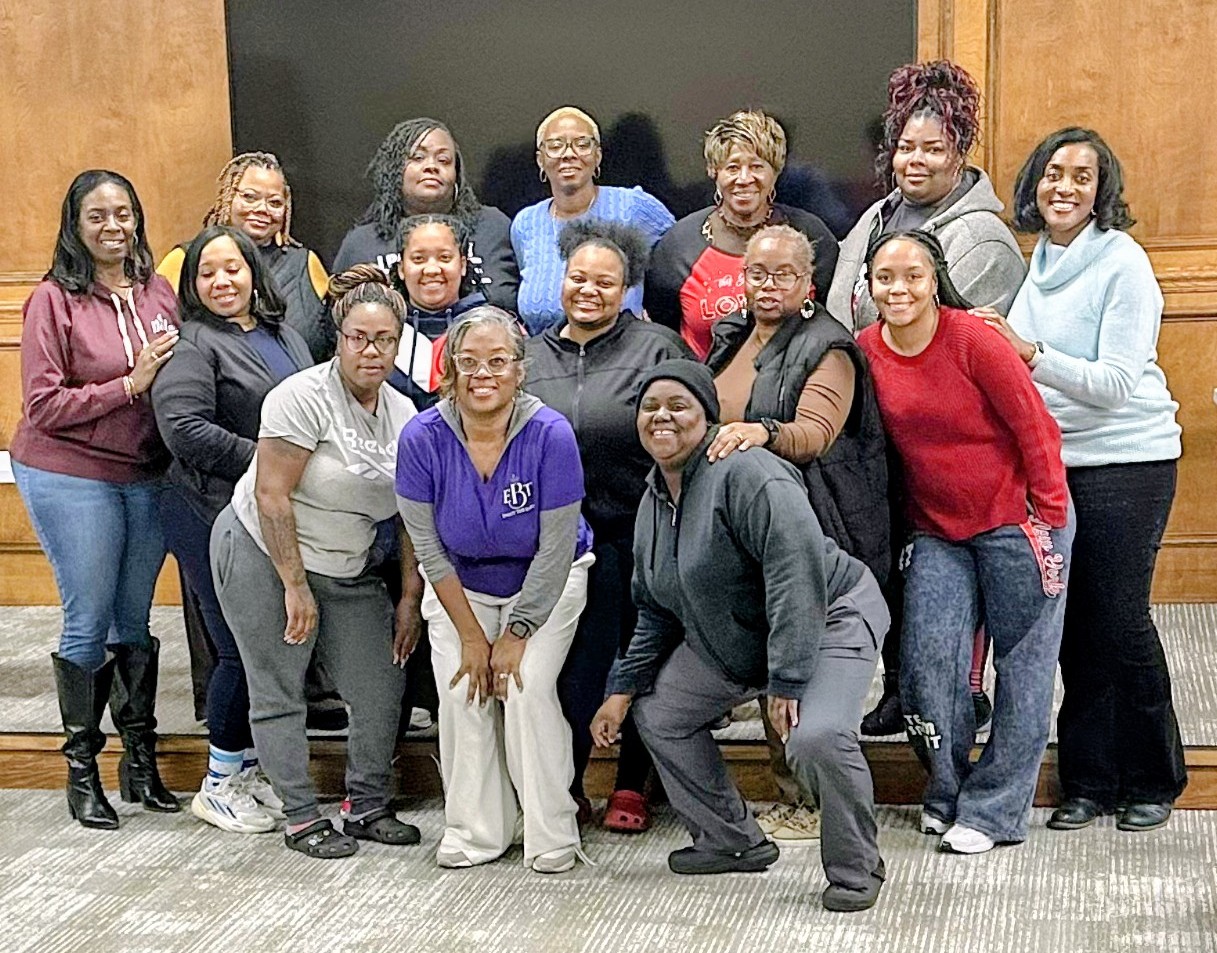
The first cohort included 12 doulas, each supported with scholarships covering training, certification and materials. Participants completed coursework through DONA (Doulas of North America) International, one of the leading doula certification organizations, along with CPR training, childbirth education and professional development workshops. To become certified, each trainee must attend three qualified births within their first year, with the Rural Health Hub helping connect them to opportunities through healthcare partnerships, including BlueCross BlueShield through the Doula Exchange.
For Rose Lewis, a member of the first cohort, the program builds upon years of community-based work. A Nash County resident, nonprofit founder and community health worker, Lewis has long helped families access essential services, from transportation to healthcare.
“Access to information and education, that’s what inspired me,” Lewis said. “Especially for our Black and brown communities. Many expectant mothers don’t know what a doula is; they’re confusing it with a midwife. So just bringing awareness can make a difference in their outcomes.”
Through her nonprofit, Equipping the Community Organization Inc., Lewis has supported families across the lifespan, from navigating Medicare and Medicaid services, medical appointments, and other supportive services. In that work, she noticed a gap in support during pregnancy.
“I kept seeing resources for after the baby gets here,” she said. “But what about the support leading up to birth?”
Her motivation became personal after a woman connected to her extended family died during childbirth and her own daughter experienced a high-risk pregnancy.
“Everything turned out okay with my daughter,” she said. “But I saw how stressful it was. Not every woman has someone there to support and encourage them.”
Now, Lewis focuses on helping mothers understand their options and advocate for themselves.
“When you’re informed, you can advocate for yourself,” she said. “That’s what I want for the families I serve.”
Why Doulas Matter
A doula provides emotional, physical and informational support during pregnancy, labor and the weeks following birth. Unlike doctors or midwives, doulas do not provide medical care, but they help families understand their options and navigate the childbirth experience.
Research shows that doula support can significantly improve maternal outcomes.
According to a 2025 study in the American Journal of Obstetrics and Gynecology, births attended by doulas are associated with lower cesarean rates, fewer medical interventions and improved newborn health indicators. Mothers also report higher satisfaction and confidence in their birth experiences.
But Hoffler emphasizes that the impact extends beyond delivery day.
“A lot of maternal mortality happens after birth,” she said. “We want moms to understand when something isn’t right and feel empowered to seek help.”
Doulas often stay connected with families during the postpartum period, helping mothers process their birth experiences, adjust to new parenthood and recognize warning signs that require medical attention.
That consistent support can be especially valuable in rural areas where healthcare access may be limited.
“Information is power,” Hoffler said. “When moms understand their bodies and their options, they can advocate for themselves.”
Restoring a Longstanding Tradition
Doulas are gaining renewed attention in healthcare, with the North American industry projected to grow at an annual rate of 8.41% and reach $25.36 billion by 2033, according to a 2026 Market Research Intellect report, but the practice has deep historical roots.
Long before childbirth became primarily hospital-based in the 1930’s, community birth workers played a central role in guiding families through pregnancy and delivery.
Over time, the medicalization of childbirth pushed many traditional birth workers aside. Today, research and advocacy are helping bring their role back.
“The research shows that having a doula improves outcomes for moms and babies,” Hoffler said. “But it’s also about restoring the kind of support families once had in their communities.”
Expanding the Network
The Rural Health Hub’s doula training program is ready to receive its second cohort in April 2026.
The long-term vision is a statewide network of trained doulas embedded in rural communities.
“Just because someone lives in a rural county doesn’t mean they should lack maternal healthcare support,” Hoffler said.