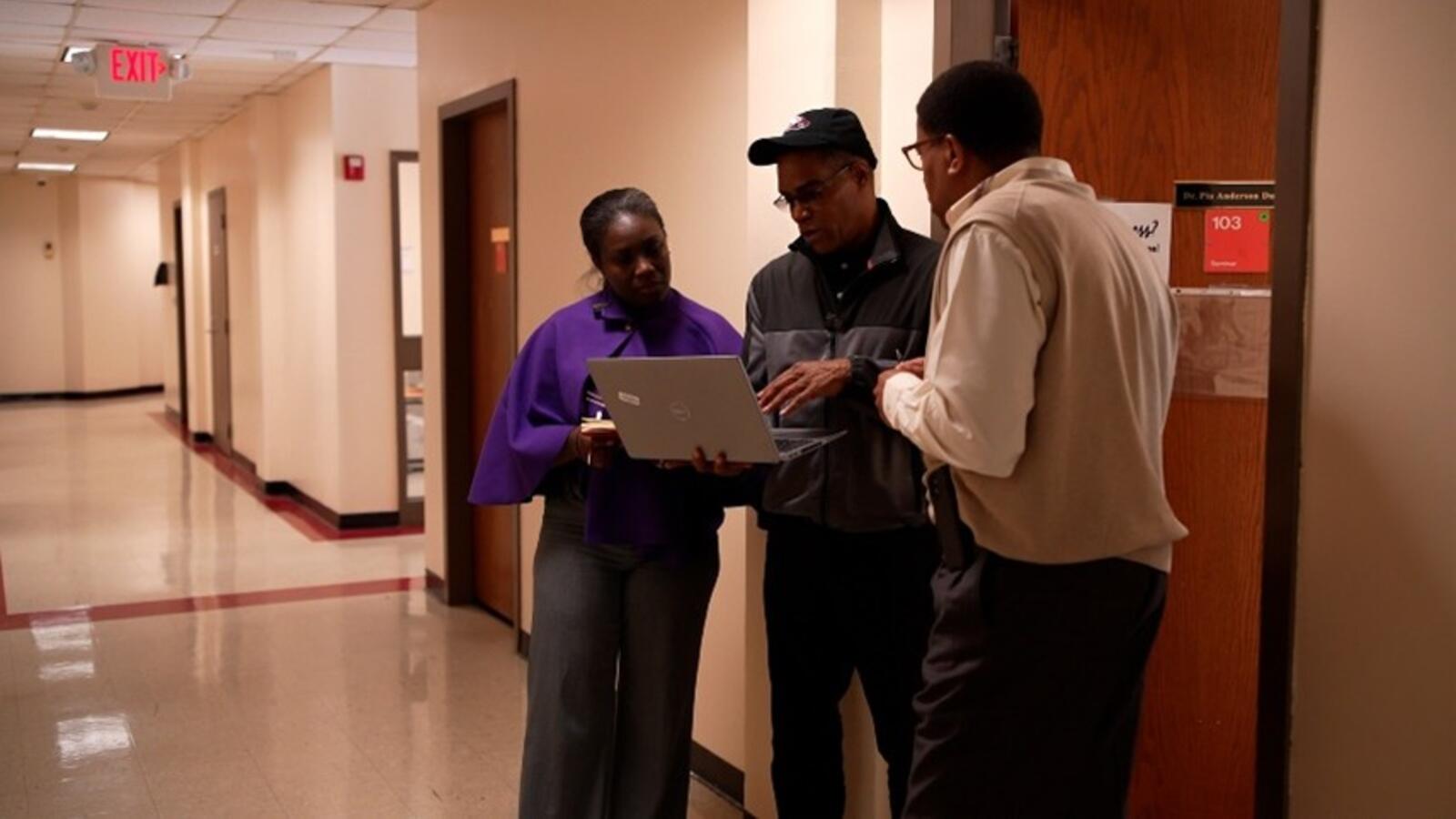
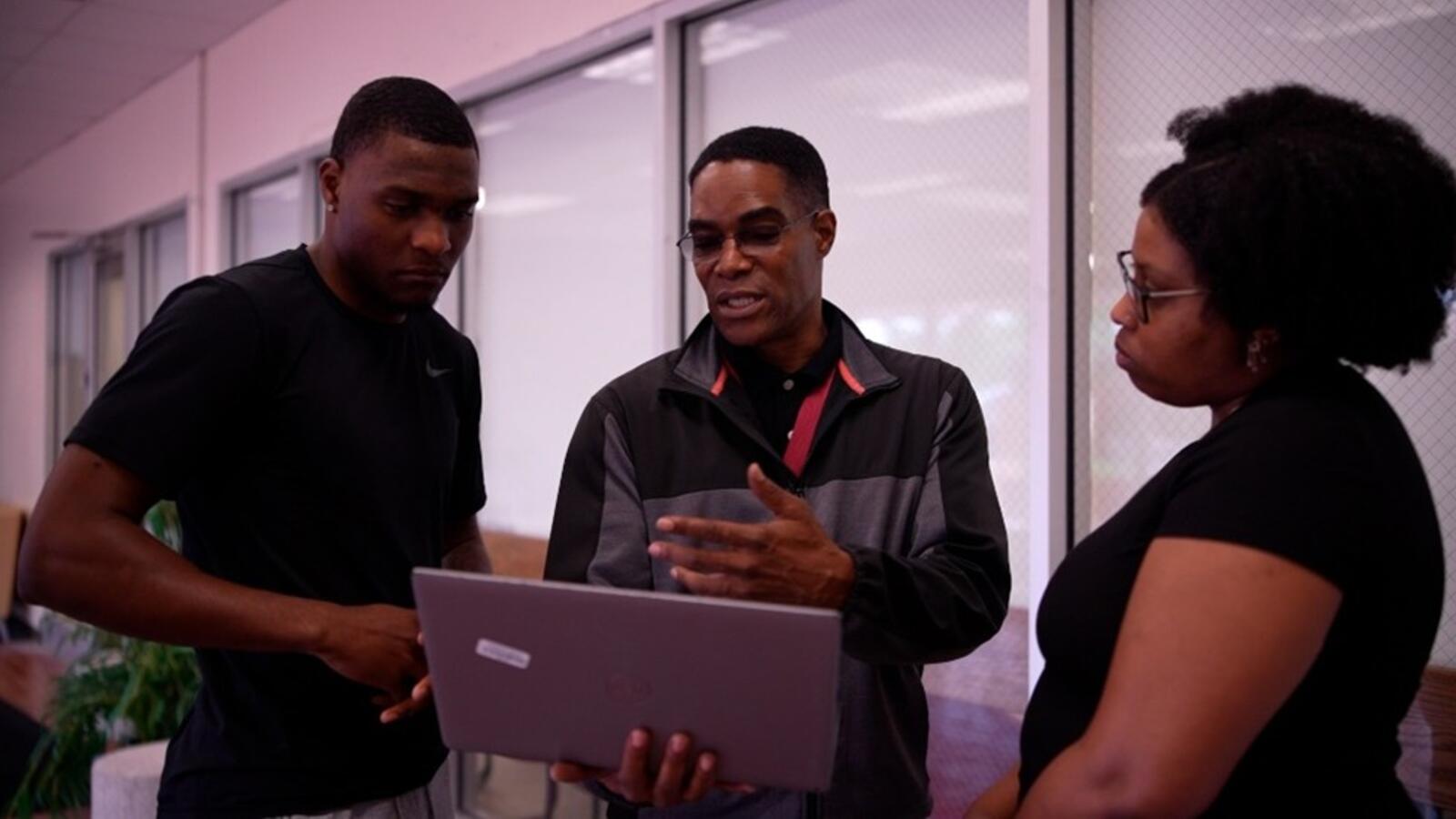
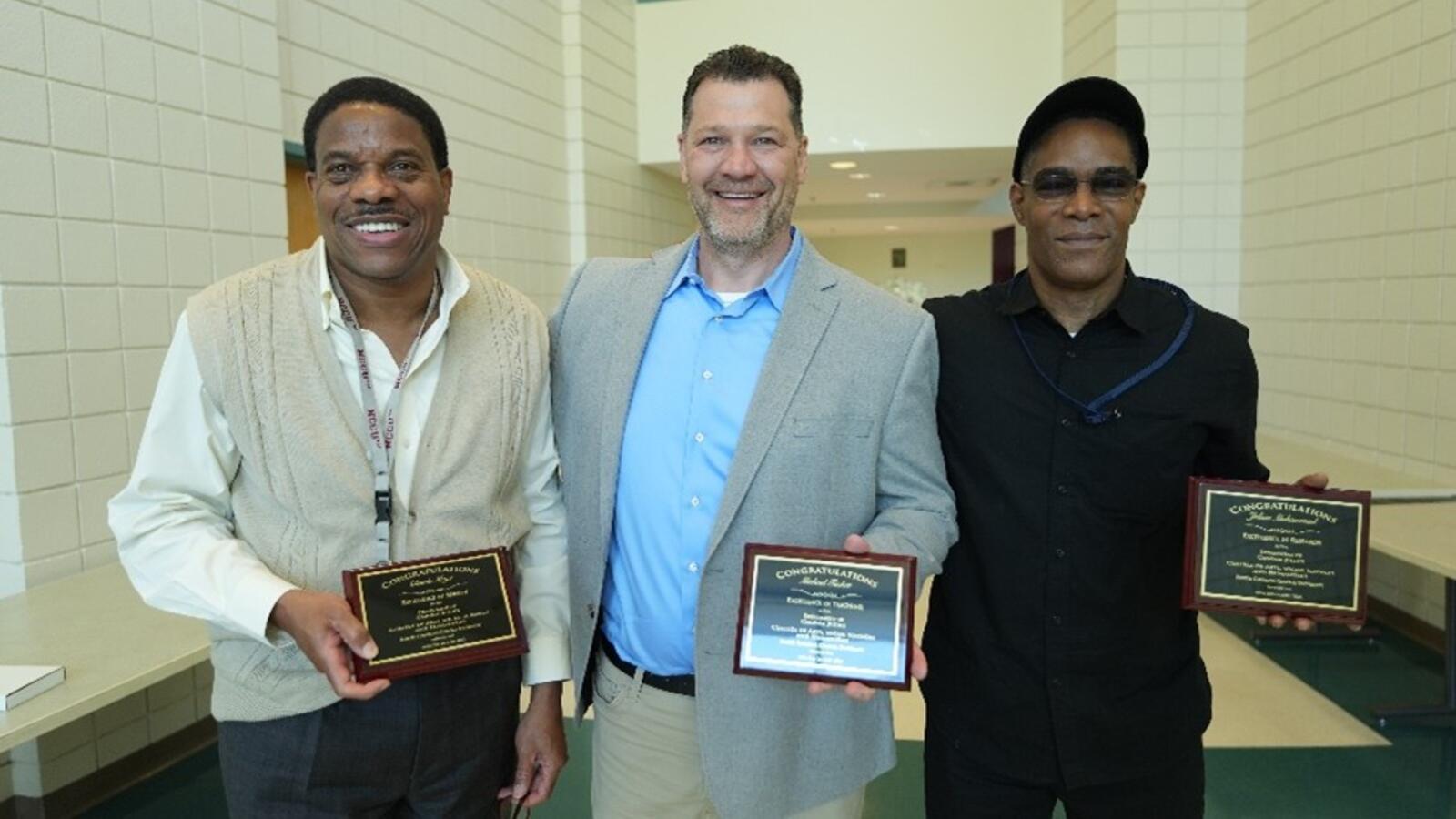
The Institute for Homeland Security and Emergency Management (IHSEM) supports a range of grant-funded research initiatives, including "Disaster Telemedicine Planning for Medical Surge Following Catastrophic Disasters in Rural Communities in North Carolina" and "Strategies to Integrate Disaster Telemedicine into Local Emergency Preparedness Planning in North Carolina." Additional research projects are forthcoming. IHSEM has also produced a documentary titled "Unlocking Potential: NCCU Students' Summer Research Journey," which documents the experiences of North Carolina Central University Criminal Justice students who participated in the U.S. Department of Homeland Security Summer Research Team at Arizona State University in 2024.
Research Initiatives at IHSEM
Current Research Projects
Strategies to Integrate Disaster Telemedicine in Local Emergency Preparedness Planning and Response Operations
This research project examines strategies for integrating disaster telemedicine into local emergency preparedness planning and response operations, emphasizing the importance of providing timely and efficient medical care during disasters and assessing the viability of telemedicine as a critical response tool. While existing research has outlined the components and applications of telemedicine in disaster contexts, the technology’s relative novelty underscores the need to identify effective strategies and best practices for its implementation. By advancing this understanding, the project aims to enhance the capacity of local emergency management systems to deliver coordinated, technology-enabled healthcare during crises.
Disaster Telemedicine Planning for Medical Surge Following Catastrophic Disasters in Rural Communities in North Carolina
This research project focuses on identifying and addressing the challenges that local emergency management agencies in rural communities face when responding to medical surges during catastrophic disasters, as well as on exploring how telemedicine can enhance their capacity to manage these crises effectively. This project aligns with the mission of the U.S. Department of Homeland Security (DHS) to strengthen homeland security through improved operational planning, information sharing, and real-time decision-making. By advancing the understanding and application of disaster telemedicine, our work seeks to equip rural communities — often constrained by limited healthcare infrastructure and preexisting barriers to critical care access — with innovative tools and strategies to better serve disaster survivors and improve overall emergency response outcomes.
Student Training Program: WebEOC Disaster Management Platform
This training program introduces undergraduate and graduate students in the Department of Criminal Justice to the proficient use of Web-based Emergency Operations Center (WebEOC) and its advanced AI tools. Designed to prepare students for active roles in emergency operation centers (EOCs) and incident command (IC) environments, the program emphasizes competency-based learning and applied skill development. Over an intensive eight-week period, students will participate in weekly two-hour sessions that cover key areas such as situation reporting, resource management, task tracking, and interagency communication. Through immersive, scenario-based simulations — including hurricane, chemical spill, and cyberattack exercises — participants will apply WebEOC features such as the Juvare AI Assistant (JAI), geographic information system (GIS) mapping, and social vulnerability indexes (SVI) to real-world disaster contexts. By bridging theory and practice, this initiative strengthens students’ technical proficiency, critical thinking, and leadership capacity, empowering them to support effective, coordinated responses during large-scale emergencies.
IHSEM Fellows
Dr. Michael Tucker: Senior Fellow, IHSEM
 As an assistant professor of criminal justice at NCCU, Dr. Tucker brings to IHSEM an exceptional blend of scholarly achievement and professional expertise. His recent and forthcoming works — The Correlates of Right-Wing Extremism (Ethics International Press, 2024) and The Evolution of American Extremism (Perspectives in Terrorism, 2025) —demonstrate his leadership in advancing research on emerging national and domestic security threats. With over three decades of distinguished service in law enforcement and federal security, including roles as a lieutenant with the Passaic County Sheriff’s Office and a federal security inspector with the U.S. Department of Homeland Security, Dr. Tucker has exemplified a lifelong commitment to public safety and institutional integrity. Holding a Master of Arts in Homeland Security from American Military University (2016) and a Ph.D. in Criminal Justice: Homeland Security from Liberty University (2022), his combined academic and professional accomplishments continue to strengthen IHSEM’s mission to foster innovation, preparedness, and security in an increasingly complex global environment.
Dr. Claude Maye: Research Fellow, IHSEM
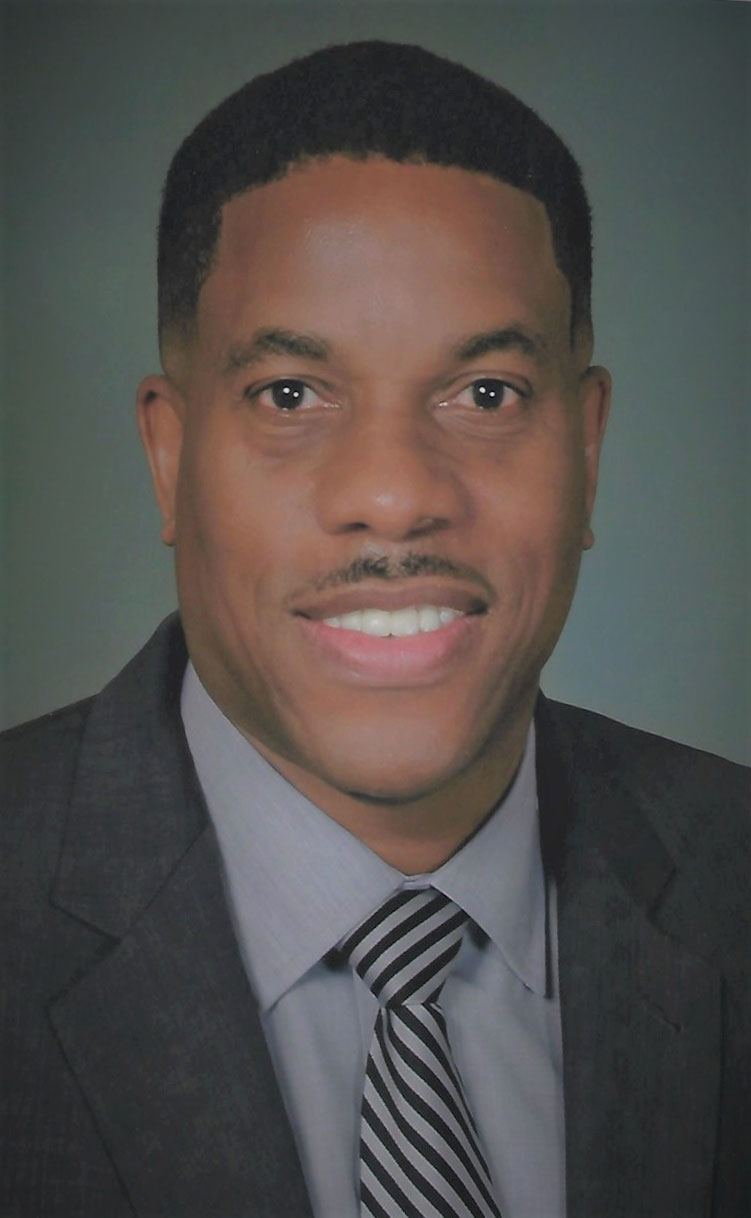
As an assistant professor of criminal justice at NCCU, Dr. Maye brings to IHSEM a wealth of professional experience and scholarly insight. His distinguished career in correctional administration includes service as warden of the United States Penitentiary in Leavenworth, Kansas, and the South Bay Correctional and Rehabilitation Facility in Florida, where his leadership exemplified expertise in correctional management, institutional governance, and public service. A proud alumnus of North Carolina Central University, Dr. Maye earned his Bachelor of Arts (1990) and Master of Science (1993) degrees in Criminal Justice, both conferred with highest honors, and completed his Doctor of Criminal Justice (D.C.J.) at Pennsylvania Western University in 2024, also with highest honors. His academic and professional accomplishments continue to enrich NCCU’s Department of Criminal Justice and strengthen evidence-based practices across the criminal justice system.
IHSEM Student Researchers

Camden Barringer
Camden Barringer is a junior at North Carolina Central University, majoring in criminal justice with a concentration in law enforcement. He works as a research assistant at the Institute for Homeland Security and Emergency Management on the project “Disaster Telemedicine Planning for Medical Surge Following Catastrophic Disasters in Rural Communities in North Carolina.” His work involves literature reviews, data collection and analysis, and assisting with research publications.

Erick Espinozo
Erick is pursuing a Master of Science in Criminal Justice and works as a graduate assistant at the Institute for Homeland Security and Emergency Management. He supports the Rural Domestic Preparedness Grant and the Disaster Telemedicine Integration project, which aims to enhance emergency medical response through telemedicine. Before graduate school, he contributed to the same project as an undergraduate research assistant.

Jasmine Richards
Jasmine Richards is a graduate student at North Carolina Central University pursuing a Master of Science in Criminal Justice, with an expected graduation in Spring 2026. As a graduate assistant with the Institute for Homeland Security and Emergency Management, she supports data collection and analysis for the project “Disaster Telemedicine Planning for Medical Surge Following Catastrophic Disasters in Rural Communities in North Carolina.”